

The new findings from the UCL led study found that the risk of developing Alzheimer’s disease was 18% less in men prescribed drugs commonly used to treat erectile dysfunction
Led collaboratively between CNWL and University College London, the new purpose-built research facility will aim to understand the diseases of ageing, and develop therapies against them

Findings from the study examining the first-ever post-diagnostic dementia support programme are a ‘rare positive result’ and a ‘lifeline to thousands of carers across the UK’

The Behavioural Activation in Social Isolation trial ran during the COVID pandemic and found that the mental health and quality of life improved for older people who received the structured telephone-based psychological care

The new funding scheme will be targeted to Researchers of Black, Bangladeshi and Pakistani heritage in the UK to stay in research and advance their careers

Published in the journal BMC Psychiatry, a new study explores the impact of psychological treatments on reducing Covid anxiety among adults in the UK.

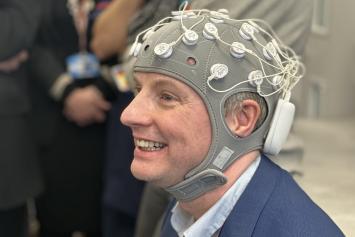
The BRIGhTMIND study used MRI neuronavigated Transcranial Magnetic Stimulation (TMS) to treat patients with severe depression and found improved quality of life and eased symptoms over the following 6 months

Published findings from the TACK study (Tackling chronic depression) highlight the need for further research for patients living with anxiety disorders

The Lancet Psychiatry will now request that authors provide information on patient and public involvement in their research. These changes in reporting will explore if people with lived experience of mental illnesses were involved in designing the study and how.